How Technology Shapes Human Evolution: A New Chapter in Our Story
In a world of smartphones, AI, and gene-editing tools, technology isn’t just changing how we live—it’s reshaping human evolution itself. From extending lifespans to altering our biology, technology is a powerful force driving our species forward. But how exactly does it influence our genetic and cultural evolution? This article dives deep into the fascinating interplay between technology and human evolution, exploring its impacts, challenges, and future possibilities in simple, engaging language. Let’s uncover how our tech-driven world is rewriting the human story.
What Is Human Evolution?
Evolution is the process by which species adapt to their environment through genetic changes over generations. For humans, evolution gave us traits like upright walking, larger brains, and complex language. Natural selection—where individuals with advantageous traits survive and reproduce—has historically driven these changes. But today, technology is disrupting this process, acting as a new evolutionary force. From medical breakthroughs to digital tools, technology is reshaping how we adapt, survive, and thrive.
Technology as a Shield Against Natural Selection

One of technology’s biggest impacts on evolution is its ability to weaken natural selection. In the past, harsh environments like cold climates or disease outbreaks favored individuals with specific genetic advantages, such as stronger immune systems. Today, technology buffers these pressures:
- Medicine: Vaccines, antibiotics, and advanced treatments allow people to survive diseases that once wiped out populations. For example, smallpox, which killed millions, was eradicated by vaccination in 1980.
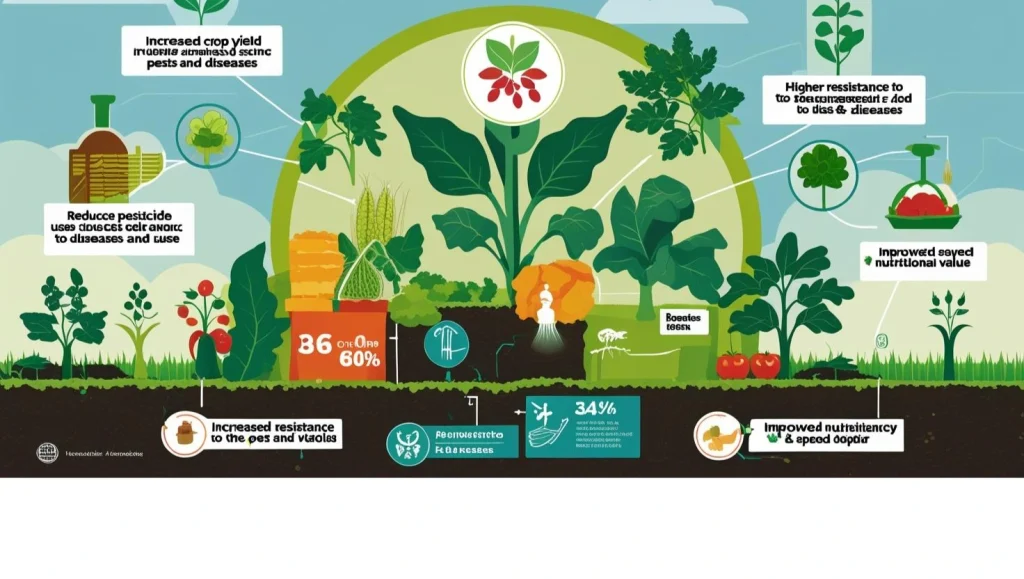
- Food Security: Agricultural technologies like genetically modified crops and precision farming ensure food availability, reducing starvation-driven selection pressures.
- Climate Control: Air conditioning, heating, and insulated homes protect us from extreme weather, minimizing the need for genetic adaptations to heat or cold.
By removing these survival challenges, technology allows more genetic diversity to persist. People who might not have survived in earlier eras now live and pass on their genes, potentially slowing the evolutionary changes driven by natural selection.
Medical Tech: Rewriting Our Genetic Code
Advancements in medical technology are directly influencing human evolution by altering our biology. Here are some key ways:
- Gene Editing: Tools like CRISPR allow scientists to edit DNA, potentially eliminating genetic disorders like cystic fibrosis or enhancing traits like disease resistance. In 2018, the first CRISPR-edited babies were born in China, sparking global debate about “designer babies.” Such interventions could shape future generations’ genetic makeup.
- Assisted Reproduction: Technologies like in vitro fertilization (IVF) enable people with fertility challenges to have children, passing on genes that might not have survived otherwise.
- Prosthetics and Enhancements: Bionic limbs and neural implants, like Elon Musk’s Neuralink, blur the line between human and machine. These could lead to a future where “cyborg” traits become part of our evolutionary path.
These technologies don’t just help individuals—they could steer the genetic direction of humanity, raising ethical questions about what it means to be human.
Cultural Evolution: Technology’s Fast Track
While genetic evolution is slow, taking thousands of years, cultural evolution—changes in behavior, knowledge, and societal practices—happens much faster. Technology accelerates cultural evolution by spreading ideas and innovations globally:
- Communication: The internet and social media platforms like X connect billions, allowing ideas to spread instantly. This fosters rapid cultural shifts, like the global rise of veganism or minimalism, which influence how we interact with our environment.
- Education: Online learning platforms democratize knowledge, enabling people to adapt to new challenges without waiting for genetic changes. For instance, coding skills, once rare, are now widespread thanks to platforms like Coursera.
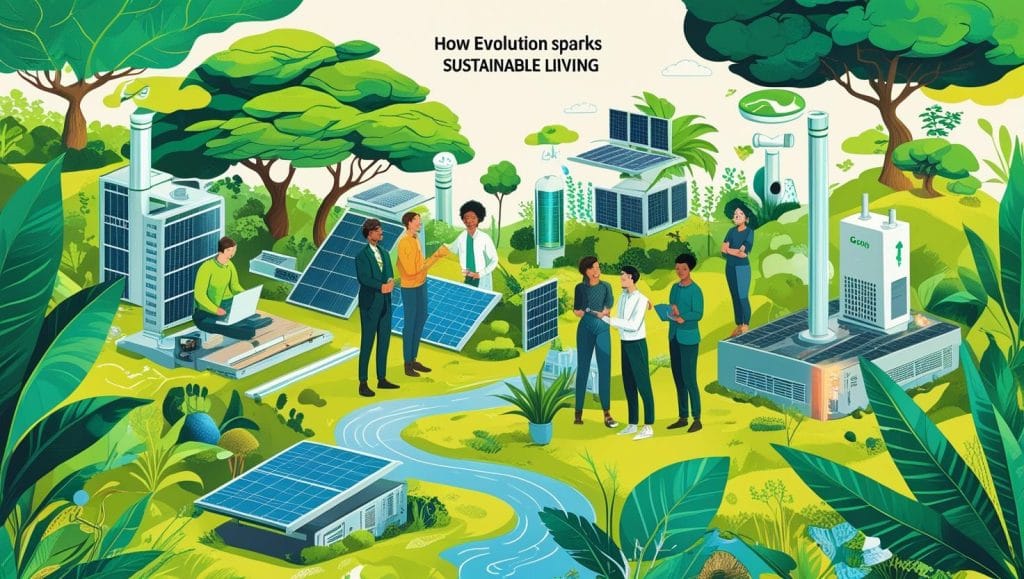
- Sustainable Tech: Innovations like solar panels, electric vehicles, and lab-grown meat promote eco-friendly lifestyles, helping humans adapt to climate change without relying on biological evolution.
Cultural evolution, powered by technology, is humanity’s secret weapon, allowing us to adapt in decades rather than millennia.
The Digital Brain: Technology and Cognitive Evolution
Technology is reshaping how our brains work, potentially influencing cognitive evolution. Constant exposure to digital devices is rewiring neural pathways:
- Attention Spans: Studies show that frequent smartphone use can reduce attention spans but enhance multitasking abilities. A 2023 study from the University of California found that heavy screen time alters brain connectivity in young adults.
- Memory: With information at our fingertips, reliance on external storage (like cloud data) may reduce the need for rote memorization, potentially favoring brains adapted to problem-solving over recall.
- AI Collaboration: Grok 3 and similar AI tools sharpen our decision-making, giving us the space to focus on what humans do best—creating. Over time, this could favor cognitive traits like adaptability and abstract thinking.
These changes suggest that technology is subtly shaping the cognitive skills future generations will need, even if genetic shifts lag behind.
Epigenetics: A Bridge Between Tech and Biology
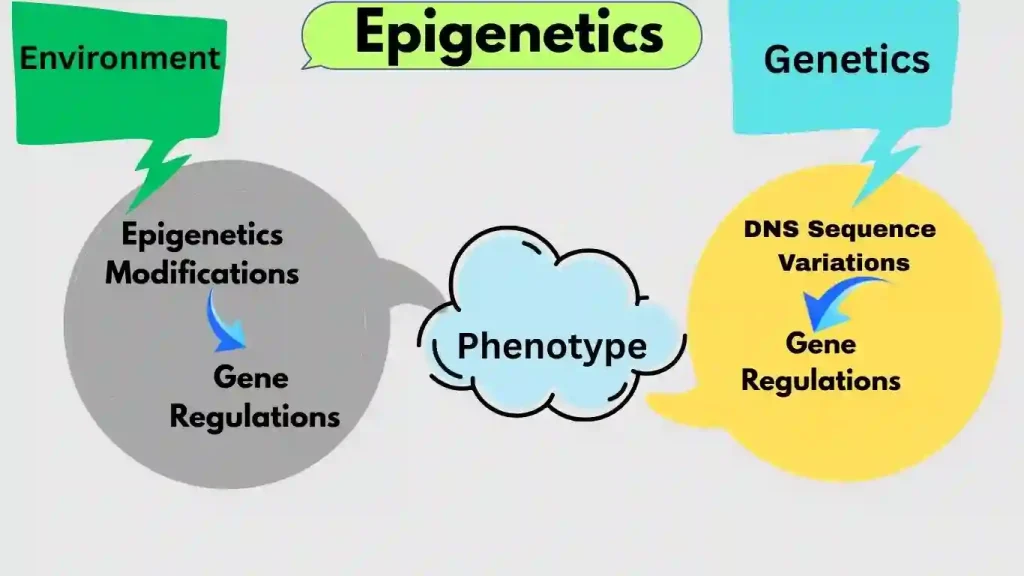
Epigenetics—changes in gene expression caused by environmental factors—offers a faster way for technology to influence evolution. Lifestyle changes driven by technology, like diet or stress levels, can trigger epigenetic modifications:
- Nutrition: Access to processed foods or plant-based diets, enabled by food tech, can alter gene expression related to metabolism. A 2024 study in Nature linked plant-based diets to epigenetic changes that reduce inflammation.
- Stress Reduction: Tech like meditation apps or wearable health trackers promotes mindfulness, potentially lowering stress-related epigenetic markers.
- Pollution Control: Cleaner technologies, like air purifiers or electric cars, reduce exposure to toxins, which could prevent harmful epigenetic changes.
These effects may not rewrite DNA but can influence how genes are expressed, impacting health and potentially passing to offspring, offering a rapid evolutionary mechanism.
Challenges and Risks
While technology drives evolution, it also poses challenges:
- Inequality: Access to advanced tech, like gene editing or healthcare, is uneven, potentially creating evolutionary divides between wealthy and marginalized groups.
- Dependency: Overreliance on tech could weaken natural resilience. For example, if antibiotics fail due to resistance, populations may face new selective pressures.
- Ethical Dilemmas: Technologies like CRISPR raise concerns about unintended consequences, such as genetic errors or societal pressures to “enhance” humans.
Balancing innovation with equity and caution is crucial to ensure technology benefits all of humanity.
The Future: A Tech-Driven Human Species
What does the future hold for human evolution? Technology could lead to several scenarios:
- Transhumanism: Merging with machines, like brain-computer interfaces, could create a new type of human, blending biology and tech.
- Localized Adaptations: Communities with limited tech access may face stronger natural selection, potentially developing unique genetic traits.
- Global Homogeneity: Widespread tech use and global connectivity could reduce genetic diversity by minimizing localized pressures.
By 2050, technologies like AI-driven healthcare or bioengineering could make humans healthier, longer-lived, and more adaptable, potentially redefining our species. However, ethical frameworks and global cooperation will be key to ensuring these changes benefit everyone.
Conclusion: Embracing Technology for Our Evolutionary Future
Technology is no longer just a tool—it’s a driver of human evolution, reshaping our biology, culture, and cognition. From gene editing to digital connectivity, it offers unprecedented ways to adapt to a changing world. But with great power comes responsibility. By prioritizing ethical innovation, equitable access, and sustainability, we can steer our evolutionary path toward a brighter future. Want to be part of this evolution? Start small: adopt sustainable tech, like energy-efficient appliances, or learn a new skill online. Share ideas on platforms like X to inspire others. Technology is reshaping more than our genetic code—it’s shaping what comes next for humanity. Let’s make it a story of progress and hope.
FAQs About Technology Affect Human Evolution
How have advancements in technology influenced the evolution of human society?
Advancements in technology have accelerated global communication, reshaped economies, and revolutionized healthcare, education, and daily life. They’ve also fostered interconnected societies while challenging traditional norms and privacy boundaries.
How does technology impact the human experience?
Technology expands human potential by enhancing communication, creativity, and access to knowledge. It also reshapes emotions and interactions, blurring boundaries between the digital and real world.
How do you think modern life so dominated by technology may affect human evolution?
Constant exposure to digital environments may influence cognitive functions, attention spans, and even social behavior over generations. As humans adapt to tech-driven lifestyles, physical and mental traits could evolve to better navigate artificial and hybrid realities.
What are the negative effects of technology?
Technology can contribute to social isolation, mental health challenges, and reduced physical activity. It also raises concerns over data privacy, digital addiction, and growing dependence on artificial systems.
Is technology bad for teens?
Technology offers teens powerful tools for learning, self-expression, and connection—but balance is key. Overuse or poor guidance can lead to screen addiction, anxiety, and disrupted sleep and social development.