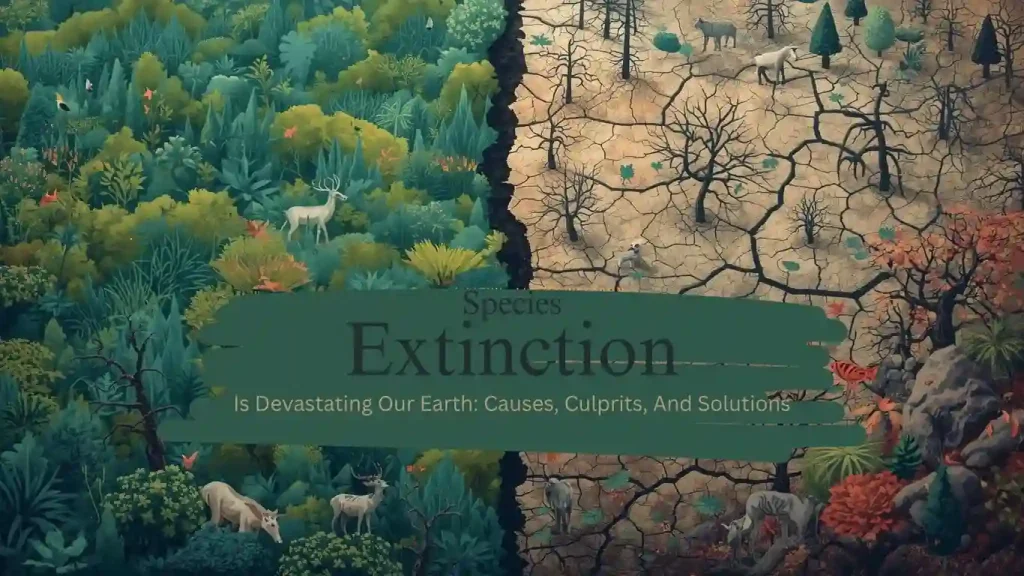
Species extinction is not just a loss of biodiversity; it’s a slow unraveling of the intricate web that sustains life on Earth. From vanishing pollinators to collapsing ecosystems, the ripple effects of extinction threaten food security, climate stability, and human survival. But who is responsible for this crisis, and how can we minimize these catastrophic events? In this article, we’ll explore the devastating impacts of species extinction, identify the key culprits, and propose actionable solutions to safeguard our planet’s future.
The Silent Crisis: Why Species Extinction Matters
Species extinction is more than the disappearance of a single animal or plant—it’s a domino effect that disrupts entire ecosystems. According to the World Wildlife Fund (WWF), global wildlife populations have declined by 68% since 1970. This alarming trend signals a planetary emergency, as ecosystems rely on biodiversity to function. Without pollinators like bees, 75% of global food crops—fruits, vegetables, and nuts—would not thrive. Their decline threatens food production, driving up prices and exacerbating hunger in vulnerable communities.
Extinction also destabilizes ecosystems that regulate climate, purify water, and maintain soil fertility. Often called the ‘rainforests of the sea,’ coral reefs are home to 25% of marine life, but 50% of them have perished in the last three decades from warming oceans and acidification. Without these ecosystems, marine food chains collapse, impacting millions who depend on fishing for survival.
The loss of species also erodes cultural heritage. Indigenous communities, who often rely on local flora and fauna for medicine, food, and spiritual practices, face existential threats when these species vanish. The situation is critical, and every second counts.
Also Read: Continental Drift: Force Behind Species Evolution
The Culprits: Who’s Responsible for Species Extinction?
1. Human Activity: The Primary Driver
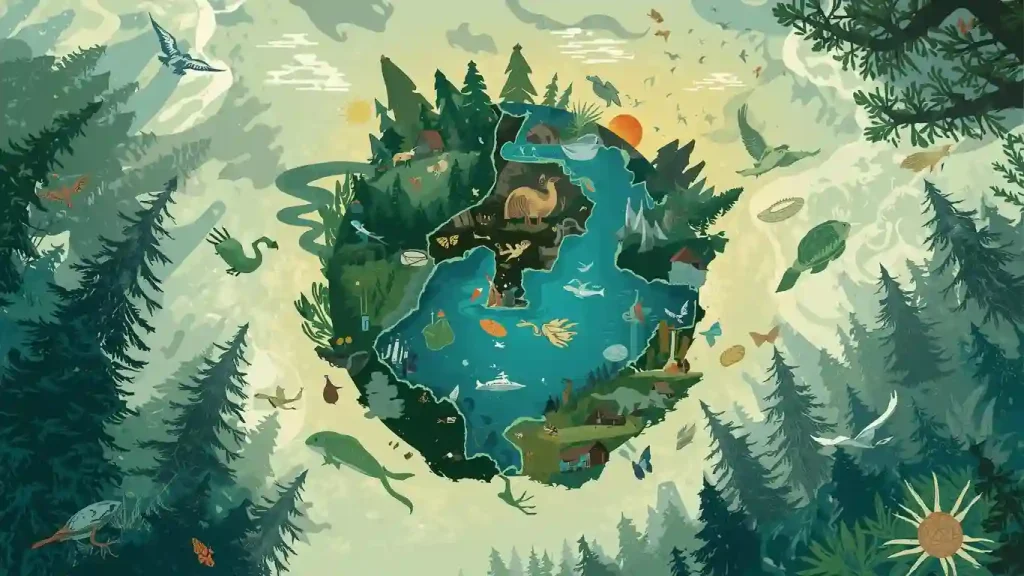
Human actions are the leading cause of species extinction. Deforestation, driven by agriculture and logging, destroys habitats at an unprecedented rate. The Amazon rainforest, home to 10% of the world’s known species, lost 11% of its forest cover between 2001 and 2020. This habitat loss leaves species like jaguars, sloths, and countless plants with nowhere to go.
Monoculture farming, driven by industrial agriculture, is a major environmental threat. Pesticides and the clearing of land for crops like soy and palm oil destroy both pollinators and wildlife. Overfishing and illegal hunting further exacerbate the problem, with species like the vaquita porpoise teetering on the brink of extinction, with fewer than 10 individuals left in 2025.
2. Climate Change: A Global Threat
Climate change, fueled by greenhouse gas emissions, is accelerating extinction rates. The warming climate is disrupting migration patterns, breeding cycles, and food resources. Polar bears, for instance, are experiencing starvation due to the melting of Arctic sea ice, which is shrinking their hunting grounds. The Intergovernmental Panel on Climate Change (IPCC) estimates that 20-30% of species are at risk of extinction if global temperatures rise by 2°C above pre-industrial levels.
3. Pollution and Invasive Species
Plastic pollution, chemical runoff, and oil spills poison habitats, killing marine life and birds. Meanwhile, invasive species introduced by human trade and travel outcompete native species. At least 20 native mammal species, including the lesser bilby, have gone extinct in Australia due to the presence of feral cats.
4. Corporate Greed and Policy Failures
Corporations prioritizing profit over sustainability often exploit natural resources without regard for environmental consequences. Weak regulations and lack of enforcement allow illegal logging, poaching, and overfishing to thrive. Governments, too, bear responsibility when they fail to prioritize conservation or enforce environmental laws.
The Ripple Effects: How Extinction Destroys Our Earth
1. Ecosystem Collapse
Every species plays a role in its ecosystem. Predators like wolves regulate prey populations, preventing overgrazing that destroys vegetation. When keystone species disappear, ecosystems unravel. For example, the extinction of sea otters in parts of the Pacific led to an overpopulation of sea urchins, which decimated kelp forests critical for carbon storage and marine biodiversity.
2. Economic Fallout
Biodiversity loss has severe economic consequences. The global fishing industry, which supports 59.5 million jobs, is at risk as fish stocks dwindle. In 2020, the World Bank estimated that ecosystem degradation could cost the global economy $10 trillion by 2050. From agriculture to tourism, industries reliant on healthy ecosystems face collapse without urgent action.
3. Human Health Risks
Extinction increases the risk of zoonotic diseases like COVID-19. Deforestation forces wildlife into closer contact with humans, facilitating disease transmission. Additionally, the loss of medicinal plants—70% of modern drugs are derived from natural compounds—limits our ability to develop new treatments.
4. Climate Crisis Acceleration
When ecosystems are healthy, they act as carbon sinks, trapping greenhouse gases and reducing their presence in the air. Deforestation and wetland destruction release stored carbon, worsening climate change. The loss of species like mangroves, which protect coastlines from erosion and storms, leaves communities more vulnerable to climate disasters.
Solutions: How to Minimize Species Extinction
The good news? We can still act to curb extinction and restore balance. Here are practical, actionable solutions to minimize these events:
1. Protect and Restore Habitats
- Action: Expand protected areas like national parks and marine reserves. Reforestation and wetland restoration can revive habitats.
- Example: Costa Rica has restored 50% of its forest cover since the 1980s, boosting biodiversity and ecotourism.
- How You Can Help: Support organizations like the Rainforest Foundation or volunteer for local restoration projects.
2. Combat Climate Change
- Action: Transition to renewable energy and reduce carbon footprints. Support policies like the Paris Agreement to limit global warming.
- Example: Denmark’s wind energy initiatives have cut emissions while preserving habitats.
- How You Can Help: Use public transport, reduce meat consumption, and advocate for clean energy policies.
3. Sustainable Agriculture and Consumption
- Action: Promote organic farming and reduce pesticide use. Support sustainable fisheries and ban single-use plastics.
- Example: The European Union’s Farm to Fork Strategy aims to reduce pesticide use by 50% by 2030.
- How You Can Help: Buy local, organic produce and avoid products linked to deforestation, like palm oil.
4. Strengthen Laws and Accountability
- Action: Enforce anti-poaching laws and regulate industries responsible for habitat destruction. Hold corporations accountable for environmental damage.
- Example: Brazil’s 2023 crackdown on illegal Amazon logging reduced deforestation by 22% in one year.
- How You Can Help: Vote for leaders prioritizing conservation and support campaigns for stricter environmental laws.
5. Educate and Raise Awareness
- Action: Educate communities about biodiversity’s value through schools, media, and campaigns.
- Example: The WWF’s Earth Hour engages millions globally to promote conservation awareness.
- How You Can Help: Share credible information on social media and engage in community conservation programs.
The Role of Technology in Conservation
Emerging technologies offer hope in the fight against extinction. Artificial intelligence (AI) monitors wildlife populations and detects poaching in real-time. Drones reforest large areas by planting seeds, while DNA technology helps revive endangered species. For instance, the Northern White Rhino, functionally extinct with only two individuals left, is being saved through genetic research.
Crowdsourcing platforms also empower individuals to contribute. Apps like iNaturalist allow citizens to report species sightings, aiding conservation efforts. By harnessing technology, we can scale solutions and act faster.
A Call to Action: Saving Our Planet Together
Species extinction is a crisis we cannot ignore. It threatens ecosystems, economies, and human survival. While human activity—through deforestation, climate change, and pollution—is the primary driver, we also hold the power to reverse the damage. By protecting habitats, embracing sustainable practices, and leveraging technology, we can minimize extinction events and restore balance to our planet.
Addressing this issue requires collective action from individuals, corporations, and governments. Start small—reduce waste, support conservation, and demand accountability. United in action, we have the power to shape a new chapter for Earth’s biodiversity—one where life flourishes for generations ahead.
FAQs
What can individuals do to stop species extinction?
Individuals can make a difference by adopting sustainable habits. Reduce meat consumption to lower demand for deforestation-causing agriculture, choose products free of palm oil, and avoid single-use plastics to curb pollution. Support conservation organizations like the Rainforest Foundation or WWF through donations or volunteering. Advocate for stronger environmental laws by voting or sharing awareness on social media. Small actions, like planting native species in your garden, also help local ecosystems thrive.
Can technology help prevent species extinction?
Yes, technology plays a growing role in conservation. AI monitors wildlife populations and detects poaching in real-time, while drones plant seeds to restore forests efficiently. Genetic technologies, like those used to save the Northern White Rhino, offer hope for critically endangered species. Citizen science apps like iNaturalist allow people to report species sightings, aiding research. Scaling these technologies, alongside policy changes, can significantly reduce extinction rates.
Why is species extinction happening so fast right now?
Species extinction is accelerating due to human activities like deforestation, climate change, pollution, and overexploitation. The World Wildlife Fund reports a 68% decline in wildlife populations since 1970. Deforestation for agriculture, such as palm oil and soy production, destroys habitats, while climate change disrupts ecosystems with rising temperatures and extreme weather. Pollution, including plastics and pesticides, and invasive species further threaten biodiversity. Urgent action, like protecting habitats and reducing emissions, is needed to slow this crisis.
What are the economic impacts of species extinction?
Species extinction threatens economies by destabilizing industries reliant on biodiversity. The World Bank estimates ecosystem degradation could cost $10 trillion by 2050. For instance, pollinators like bees support 75% of global food crops; their decline raises food prices and risks shortages. Overfishing endangers the livelihoods of 59.5 million people in the fishing industry. Tourism, especially in biodiversity hotspots like coral reefs, also suffers. Sustainable practices and conservation investments can mitigate these economic losses.
How does species extinction affect climate change?
Species extinction worsens climate change by disrupting ecosystems that act as carbon sinks. For example, forests and wetlands absorb CO2, but deforestation—responsible for 10% of global emissions—releases stored carbon when trees are cut down. The loss of species like mangroves or coral reefs reduces their ability to protect coastlines or store carbon. The IPCC warns that biodiversity loss could amplify global warming, creating a vicious cycle. Restoring ecosystems and cutting emissions are critical to breaking this cycle.