Evolution, the process of adaptation and survival, offers profound lessons for sustainable living. By mirroring nature’s strategies—efficiency, resilience, and cooperation—humanity can create systems that thrive within the Earth’s limits. From biomimicry to behavioral shifts, evolutionary principles guide us toward a greener future. This article explores how evolution inspires sustainable living, blending insights from nature, technology, and human behavior to build a harmonious world.
Evolution as a Sustainability Blueprint
Evolution teaches us that survival hinges on adapting to environmental constraints. Species thrive by optimizing resources and minimizing waste, a model for sustainable living. Just as ecosystems like coral reefs recycle nutrients and foster symbiosis, humans can design closed-loop systems—think circular economies or zero-waste initiatives—that regenerate resources. By emulating nature’s evolutionary efficiency, we create resilient, sustainable societies.

Nature’s balance is evident in forests, where every organism plays a role in nutrient cycling. Similarly, sustainable living requires us to rethink consumption, prioritizing renewable energy, sustainable agriculture, and waste reduction. Evolution shows that alignment with the environment is key to long-term survival, urging us to adapt our lifestyles to planetary boundaries.
Nature’s Innovations Inspire Solutions
Evolution has produced ingenious designs over billions of years, many of which inspire sustainable technologies. Likewise, solar panels modeled on photosynthesis aim to capture sunlight with plant-like efficiency, producing clean energy without harmful byproducts.
These innovations reflect evolution’s trial-and-error brilliance. By studying nature’s adaptations—like the water-repellent lotus leaf inspiring self-cleaning surfaces—we unlock sustainable technologies. Evolution’s playbook offers endless ideas for reducing environmental impact while enhancing human ingenuity.
Evolving Human Behavior
Evolution shapes not just physical traits but also behaviors that ensure survival. For sustainable living, human behavior must evolve to prioritize planetary health over short-term gains. Cooperation, a key evolutionary trait, is vital. In nature, bees pollinate flowers, and wolves hunt in packs, thriving through mutual benefit. Humans can mirror this through community solar projects, urban gardening, or global climate agreements.
Yet, our evolutionary wiring favors immediate rewards, often driving overconsumption. To counter this, sustainable living needs incentives—tax breaks for electric vehicles, subsidies for eco-friendly products, or clear labeling to guide consumer choices. By aligning short-term benefits with long-term goals, we can shift societal norms, fostering a culture of sustainability.
Technology as an Evolutionary Tool
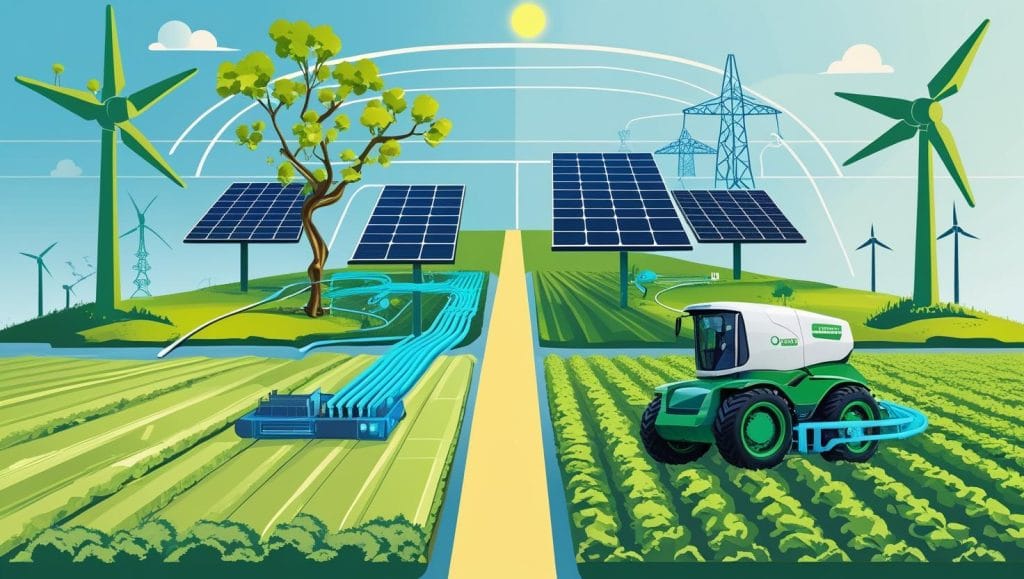
Artificial intelligence (AI) optimizes energy use in smart grids, integrating renewables and reducing waste. In agriculture, AI-driven precision farming minimizes water and fertilizer use, boosting yields sustainably. These advancements echo evolution’s knack for efficiency, adapting to resource constraints with precision.
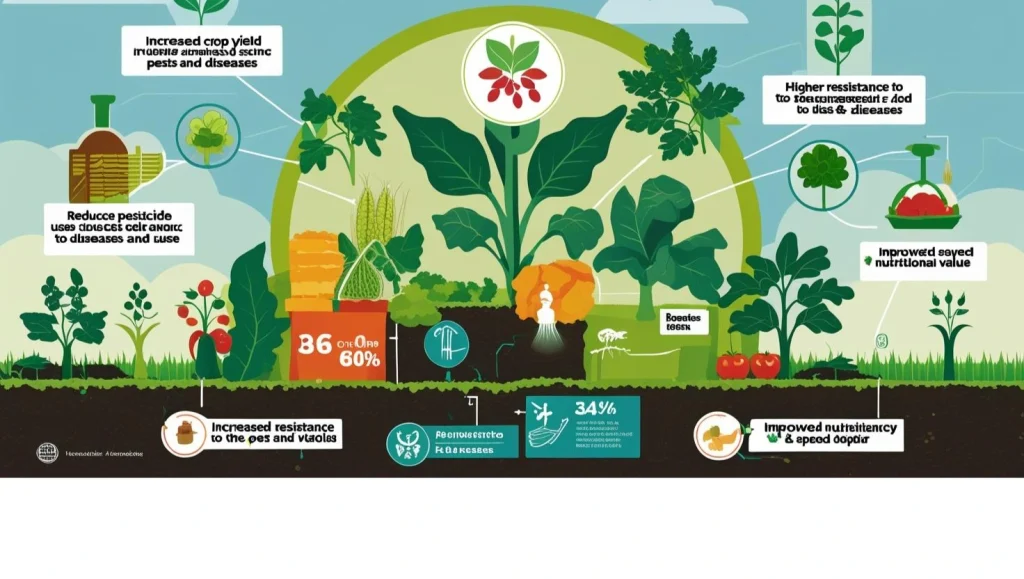
Biotechnology also draws on evolutionary principles. Scientists engineer crops mimicking wild plants’ resilience, like drought-tolerant rice for flood-prone regions. These innovations reduce environmental harm while ensuring food security. By leveraging technology, we accelerate our adaptation to a changing planet, embodying evolution’s forward momentum.
Resilience in a Changing World
Evolution rewards resilience—the ability to adapt to change. As climate change brings extreme weather and shifting ecosystems, sustainable living must prioritize systems that endure. Urban planning is evolving to meet this challenge. Cities like Rotterdam use “climate-proof” designs—floating homes, water-absorbing parks—inspired by coastal ecosystems’ adaptability.
Indigenous knowledge also informs resilience. Communities that have lived sustainably for centuries, using rotational farming or seasonal migration, offer timeless wisdom. Blending this with modern innovation creates hybrid solutions, marrying evolutionary heritage with future needs.
Evolving Mindsets
Sustainable living demands a mindset shift, moving from consumerism to stewardship. Evolution favors those who anticipate change, and humans must adopt a forward-thinking perspective. Education is key—teaching children about ecosystems and climate fosters a generation that values sustainability. Storytelling, celebrating eco-heroes from activists to innovators, inspires action.
This cultural evolution mirrors nature’s gradual adaptations. By embracing interconnectedness, we align with the planet’s rhythms, ensuring our survival and that of future generations.
Challenges and Opportunities
Challenges persist—economic systems often prioritize profit, and global inequalities complicate solutions. Evolution’s slow pace clashes with climate change’s urgency, demanding bold action. Yet, opportunities abound. Human ingenuity, which drove us from stone tools to space exploration, can fuel a sustainable revolution.
Conclusion
Evolution is a roadmap for sustainable living. By learning from nature’s efficiencies, harnessing technology, adapting behaviors, and building resilient systems, we can thrive within Earth’s limits. Just as species evolve to fit their environments, humanity must evolve to fit a planet under strain. With creativity and collaboration, we can spark a sustainable future, rooted in the timeless wisdom of evolution.
FAQs
What is a better word for sustainable?
A better word for “sustainable” could be “renewable” or “enduring,” depending on the context. Both emphasize long-term viability and ongoing balance with nature.
Why is sustainable living the future?
Sustainable living is the future because it reduces environmental impact and conserves resources for generations to come. It promotes healthier ecosystems and improves quality of life globally.
What is the sustainability event in 2025?
In 2025, major sustainability events include the World Environment Day on June 5, hosted by South Korea, focusing on ending plastic pollution. Additionally, the United Nations Ocean Conference in Nice, France, from June 9–13, aimed to mobilize action for the conservation and sustainable use of oceans, seas, and marine resources.
What are the three pillars of sustainability?
The three pillars of sustainability are environmental protection, social equity, and economic development. Together, they ensure a balanced approach to meeting present and future needs.
What is better than sustainability?
Regeneration is often seen as better than sustainability because it not only maintains but actively restores and improves ecosystems. It focuses on creating positive impacts beyond just minimizing harm.