Genetic 101: Can We Engineer a Greener Future?
In an era where climate change and environmental degradation dominate global conversations, the intersection of genetics and sustainability offers a beacon of hope. Genetic engineering, once confined to sci-fi fantasies, is now a powerful tool with the potential to reshape our planet for the better. From carbon-capturing plants to eco-friendly biofuels, the question isn’t just can we engineer a greener future—it’s how we can do it responsibly. This Genetics 101 guide explores the science, applications, and ethical considerations of using genetic engineering for a sustainable tomorrow.
What Is Genetic Engineering?
At its core, genetic engineering involves modifying an organism’s DNA to achieve desired traits. Scientists use tools like CRISPR-Cas9, a precise gene-editing technology, to add, remove, or alter specific genes. This process allows us to enhance plants, animals, and microorganisms in ways that traditional breeding could never accomplish.
For environmental applications, genetic engineering focuses on creating organisms that can combat climate change, reduce pollution, or improve resource efficiency. By understanding the basics of genetics, we can unlock innovative solutions to some of the planet’s most pressing challenges.
Engineering Plants for a Greener Planet

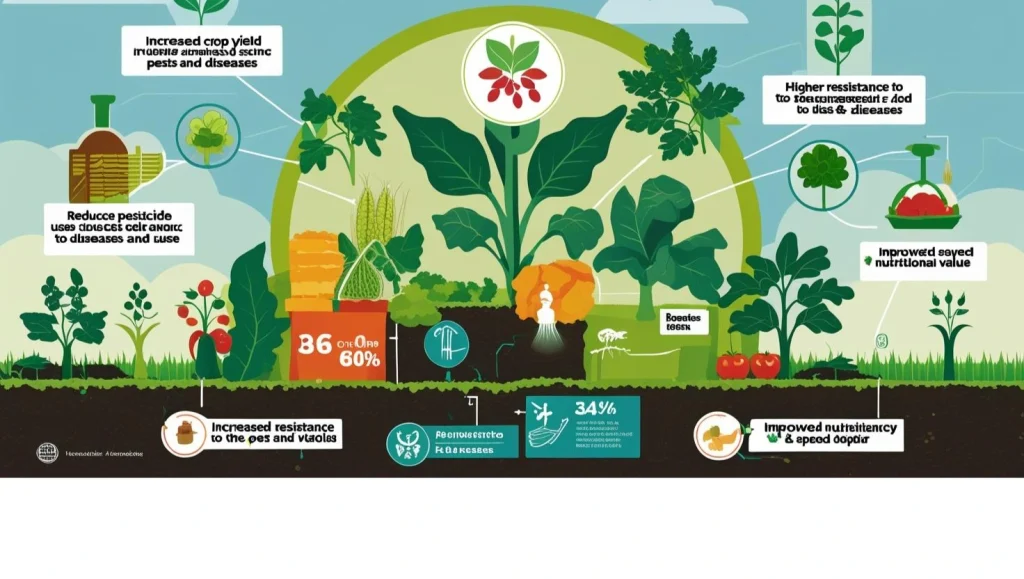
Plants are nature’s carbon sinks, absorbing carbon dioxide (CO2) during photosynthesis. Genetic engineering can supercharge this process, creating plants that capture more carbon or thrive in harsh conditions. Here are some groundbreaking applications:
Carbon-Hungry Crops
Researchers are developing crops with enhanced photosynthesis capabilities. For instance, scientists at the University of Illinois have engineered tobacco plants that capture 20% more CO2 by optimizing the enzyme RuBisCO, which drives photosynthesis. Similar techniques could be applied to staple crops like rice or wheat, turning agricultural fields into carbon sequestration powerhouses.
Drought-Resistant Plants
With climate change intensifying droughts, genetically modified (GM) crops that require less water are critical. Companies like Corteva Agriscience have developed drought-tolerant maize varieties, reducing water usage while maintaining yields. These crops not only ensure food security but also minimize the environmental footprint of agriculture.
Nitrogen-Fixing Plants
Traditional farming relies heavily on nitrogen fertilizers, which contribute to greenhouse gas emissions. Scientists are working to engineer crops that can fix their own nitrogen from the air, much like legumes. This could slash fertilizer use, reduce emissions, and prevent waterway pollution from runoff.
Biofuels: Powering the Future with Genetics
Fossil fuels are a major driver of climate change, but genetically engineered organisms could provide sustainable alternatives. Algae, for example, can be modified to produce biofuels that rival petroleum in efficiency.

High-Yield Algae
Researchers at Synthetic Genomics have engineered algae strains that produce higher lipid content, ideal for biofuel production. These algae can grow in non-arable land or wastewater, avoiding competition with food crops. Scaled up, algae-based biofuels could significantly cut carbon emissions from transportation.
Waste-to-Fuel Microbes
Genetic engineering is also transforming waste management. Scientists have modified bacteria to convert organic waste into biofuels like ethanol. This dual-purpose approach reduces landfill waste while generating renewable energy, creating a circular economy.
Restoring Ecosystems with Genetic Tools
Beyond agriculture and energy, genetic engineering can aid in ecosystem restoration. Degraded soils, polluted waters, and endangered species all stand to benefit.
Bioremediation
Microorganisms can be engineered to break down pollutants like oil spills or heavy metals. For example, bacteria modified with specific enzymes can degrade plastics in oceans, tackling one of the most persistent environmental issues. These “super microbes” could clean up contaminated sites faster than natural processes.
Saving Endangered Species
Genetic tools are being used to bolster biodiversity. The American chestnut tree, nearly wiped out by a fungal blight, is being revived through the introduction of a blight-resistant gene. Similar efforts could protect coral reefs or other keystone species critical to ecosystem health.
Ethical and Social Considerations
While the potential of genetic engineering is immense, it’s not without controversy. Critics raise concerns about unintended ecological consequences, such as GM organisms interbreeding with wild populations or disrupting food webs. Public skepticism, fueled by misinformation about “Frankenfoods,” also poses a barrier to adoption.
To address these issues, scientists and policymakers must prioritize:
- Transparency: Clear communication about the benefits and risks of GM technologies.
- Regulation: Robust oversight to prevent ecological harm.
- Equity: Ensuring that genetic innovations benefit developing nations, not just wealthy corporations.
Engaging communities and fostering trust will be as crucial as the science itself.
The Road Ahead: Challenges and Opportunities
Scaling genetic solutions for a greener future requires overcoming technical and logistical hurdles. Gene-editing technologies must become more precise to avoid off-target effects. Infrastructure for biofuel production or bioremediation needs significant investment. Moreover, international collaboration is essential to ensure that innovations are accessible globally.
Despite these challenges, the opportunities are transformative. Genetic engineering could reduce global CO2 emissions, restore ecosystems, and create sustainable economies. By combining cutting-edge science with ethical stewardship, we can engineer a planet that thrives for generations.
Conclusion: A Greener Future Is in Our DNA
Genetic engineering is no longer a futuristic dream—it’s a tangible tool for tackling climate change and environmental decline. From carbon-capturing crops to plastic-eating microbes, the possibilities are as vast as the challenges we face. As we move forward, the key lies in balancing innovation with responsibility, ensuring that our genetic advancements nurture the planet rather than harm it.
By embracing Genetics 101, we can unlock the potential to engineer a greener, more sustainable future. The question isn’t whether we can—it’s whether we will act boldly and ethically to make it happen.
FAQs
Will genetic engineering be helpful in the future?
Yes, genetic engineering will be helpful in the future by advancing medicine, agriculture, and environmental sustainability. It holds potential to cure genetic diseases and increase food security.
How can genetic engineering save endangered species?
Genetic engineering can help save endangered species by increasing genetic diversity and restoring lost traits. It can also revive extinct species through cloning or gene editing.
What is CRISPR-Cas9?
CRISPR-Cas9 is a powerful gene-editing tool that allows scientists to precisely cut and modify DNA. It uses a guide RNA and the Cas9 enzyme to target and alter specific genes.
How expensive is CRISPR?
CRISPR costs can range from a few hundred to several thousand dollars, depending on the complexity and application. Basic lab edits might be cheaper, while therapeutic uses are significantly more expensive.
Is there a cure coming soon for sickle cell anemia?
Yes, promising gene therapies like CRISPR-based treatments are showing success in curing sickle cell anemia in clinical trials. Some therapies have already received regulatory approval in certain countries.