The sixth mass extinction is upon us, with species vanishing at an alarming rate. Habitat loss, climate change, and poaching have pushed countless animals and plants to the brink. But in the fight to save endangered species, a powerful ally is emerging: genetics. Can genes really turn the tide for endangered species, or are we grasping at straws in a losing battle?
The Genetic Toolkit for Conservation
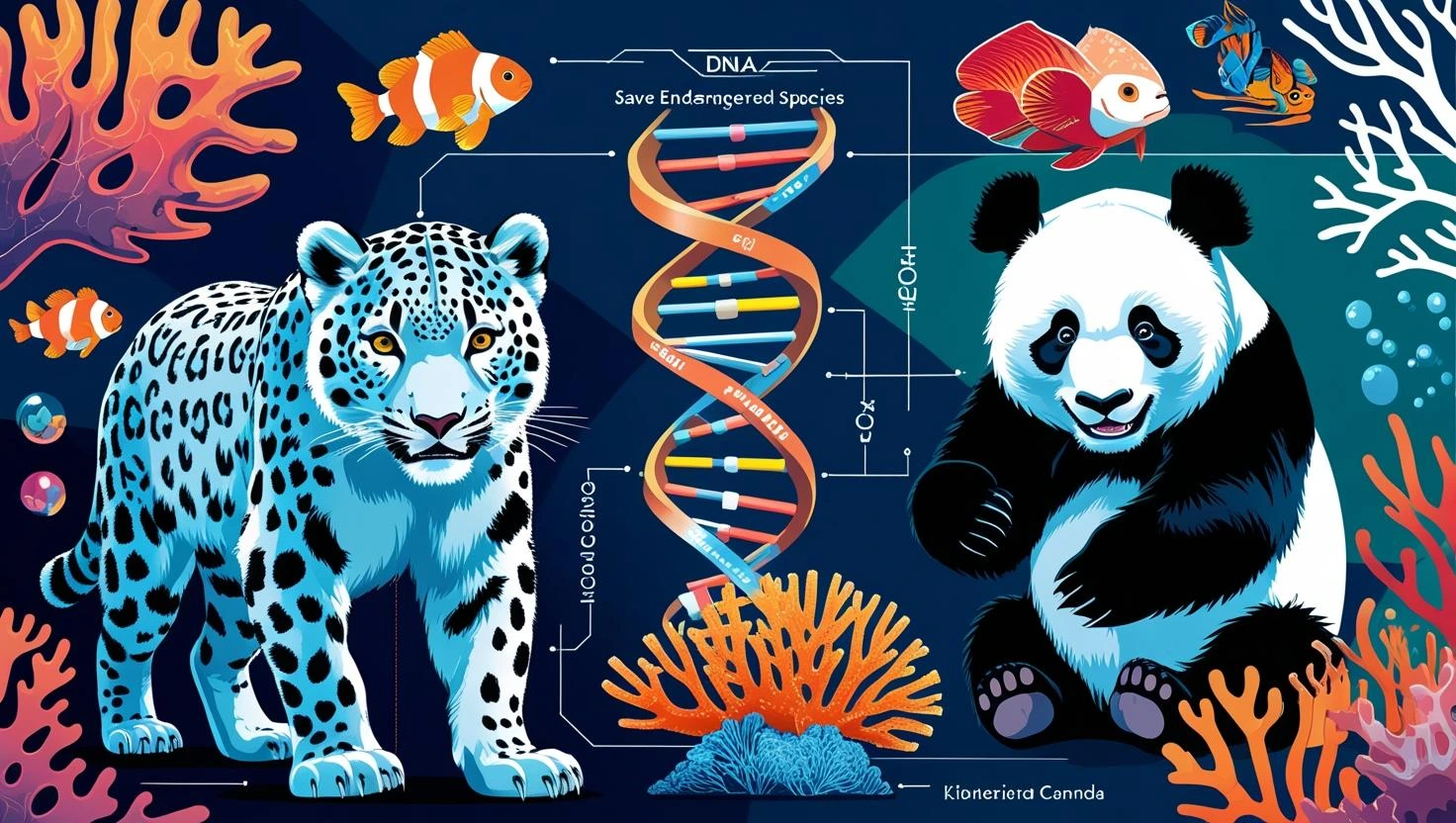
Modern genetics is revolutionizing conservation biology. Scientists are deploying an array of tools to bolster endangered populations, starting with genetic diversity analysis. By sequencing the genomes of species like the Amur leopard or the Javan rhino, researchers can assess how much genetic variation remains. Low diversity often signals inbreeding, which weakens populations and reduces resilience. For instance, the Florida panther was once plagued by heart defects and low fertility due to inbreeding. A 1995 intervention introduced genes from Texas cougars, boosting the population from a mere 20 to over 100 today.
Another game-changer is gene editing, particularly CRISPR technology. CRISPR allows scientists to precisely tweak DNA, potentially correcting harmful mutations or enhancing traits like disease resistance. In Australia, researchers are exploring CRISPR to protect the northern quoll, a marsupial decimated by invasive cane toads. By editing genes to make quolls less susceptible to the toads’ toxins, scientists hope to give this endangered species a fighting chance.
Then there’s de-extinction, the audacious idea of bringing back lost species. The Passenger Pigeon Project aims to resurrect the extinct bird by editing the DNA of its closest living relative, the band-tailed pigeon, to express passenger pigeon traits. Similarly, efforts are underway to revive the thylacine, or Tasmanian tiger, using preserved DNA. De-extinction could restore ecological balance, but it raises ethical questions: Should we prioritize reviving the past over saving the present?
Biobanking: A Genetic Noah’s Ark
Biobanking offers a lifeline endangered species like-
| Cryogenic Facilities |
| Store DNA, Sperm, Eggs & tissues from endangered species |
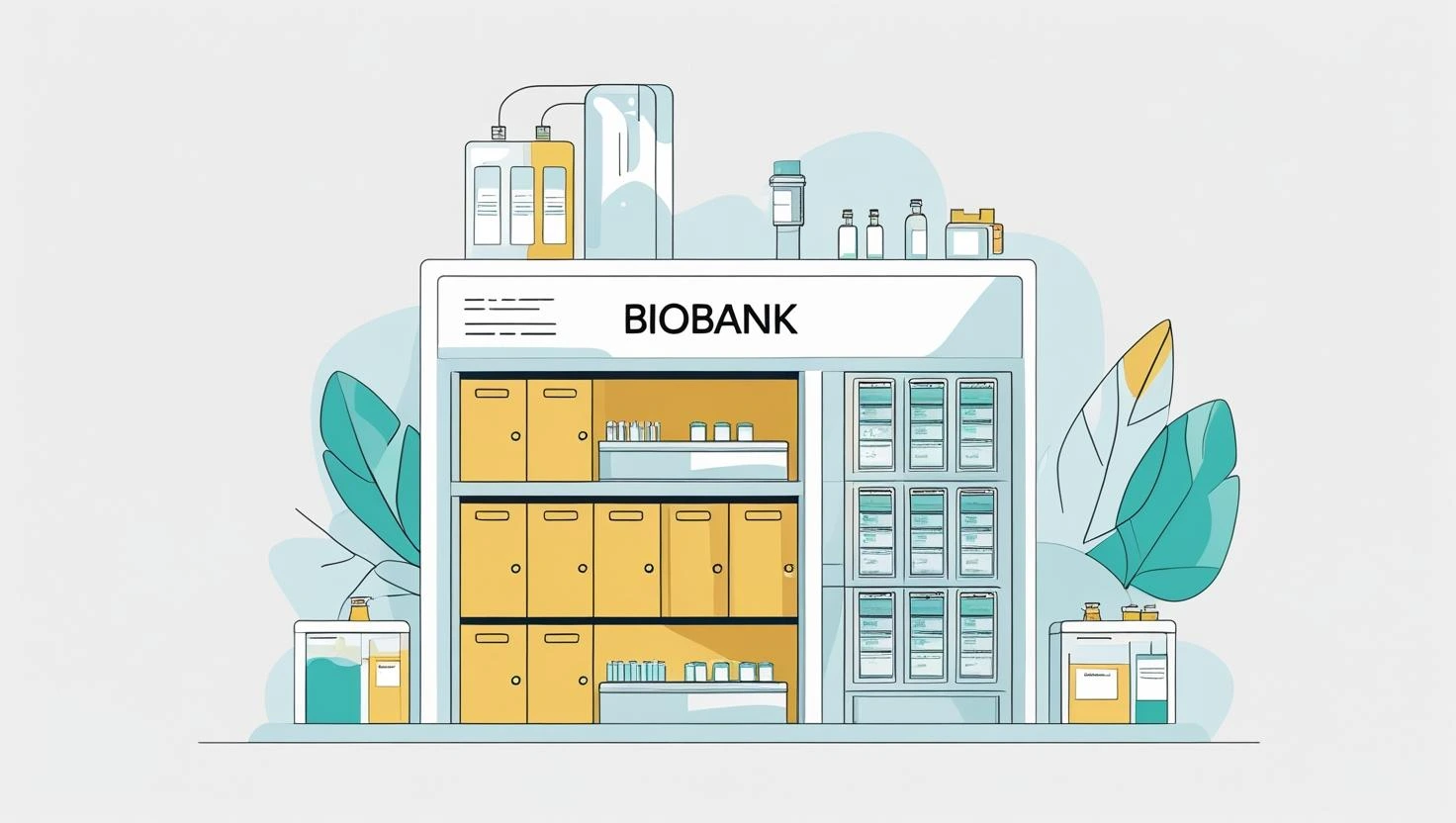
These genetic repositories act as insurance policies, preserving the raw materials needed to restore populations or even clone individuals. In 2020, scientists used frozen sperm to artificially inseminate a black-footed ferret, a species once thought extinct. The resulting kits introduced fresh genetic diversity, proving biobanking’s potential.
Cloning is another frontier. In 2001, the first cloned endangered animal, a gaur named Noah, was born using a domestic cow as a surrogate. Though Noah died shortly after, the technology has advanced. By using stored DNA and closely related southern white rhinos as surrogates, conservationists aim to resurrect a viable population.
Community-Driven Genetics:
Engaging Local Stakeholders Conservation isn’t just for scientists. Involving local communities in genetic initiatives ensures sustainable outcomes. In Africa, community-led programs use genetic data to monitor elephant populations, reducing poaching by tracking ivory origins. Involving indigenous groups, who often have deep ecological knowledge, can align genetic interventions with cultural values, fostering support for projects like rewilding or gene banking.
Synthetic Biology:
Building Resilient Species Beyond editing, synthetic biology designs new genetic solutions. Scientists are exploring synthetic genes to enhance traits like drought tolerance in plants or heat resistance in corals. The Coral Restoration Foundation, for instance, breeds genetically diverse corals to withstand warming oceans. Synthetic biology could create “super” populations, but it risks altering ecosystems in unpredictable ways, requiring rigorous oversight.
Assisted Reproductive Technologies:
Boosting Populations Assisted reproductive technologies (ART), like artificial insemination and in vitro fertilization, are vital for species with dwindling numbers. These techniques maximize genetic diversity by pairing distant individuals, but they require advanced facilities and expertise, limiting scalability in remote regions.
Epigenetics:
Unlocking Hidden Potential Epigenetics studies how environmental factors influence gene expression without altering DNA. By understanding epigenetic markers, scientists can enhance species’ adaptability. For instance, research on African elephants shows how stress impacts gene expression, affecting reproduction. Manipulating these markers could improve breeding success in captivity, offering a subtle yet powerful tool for conservation.
Global Collaboration:
A Unified Genetic Front Saving species requires international cooperation. Global initiative like the Earth Biogenome project which primarily aim to sequence the genome of all eukaryotes, like do before in Human Genome project. Cross-border biobanks and data-sharing platforms enable countries to collaborate on species like the snow leopard, which roams multiple nations. Global funding and policy alignment are crucial to scale genetic solutions effectively.
A Balanced Approach:
The key to saving endangered species lies in combining genetics with traditional conservation. Protecting habitats, curbing poaching, and mitigating climate change remain critical. Genetic tools can complement these efforts, buying time for species on the brink. For example, the Coral Restoration Foundation is using genetic insights to breed heat-tolerant corals, helping reefs survive warming oceans. Similarly, gene banking endures legacy of those species which was extincted from the wild.
Challenges and Ethical Dilemmas
Despite its promise, genetic intervention isn’t a silver bullet. For one, it’s expensive. Sequencing genomes, editing genes, and maintaining biobanks require significant funding, which could divert resources from traditional conservation efforts like habitat protection. Moreover, genetic fixes don’t address root causes like deforestation or climate change. A gene-edited quoll still needs a habitat to survive.
Ethical concerns also loom large. Gene editing risks unintended consequences, like introducing harmful mutations. De-extinction projects could disrupt modern ecosystems, as revived species may no longer have a niche. Cloning and artificial insemination raise questions about animal welfare, especially when surrogates are involved. And who decides which species get saved?
The Future of Conservation
Genetic technologies are no panacea, but they’re reshaping what’s possible. By the method of preserving DNA for future generations, The preserved genes are giving endangered species a another chance for survival. Yet, the clock is ticking. With biodiversity loss accelerating, we must act swiftly, blending science with stewardship to preserve the planet’s rich tapestry of life. The question isn’t just whether genes can save endangered species—it’s whether we’ll harness them wisely before it’s too late.
FAQs
What are the 7 levels of conservation?
The 7 IUCN conservation levels are: Least Concern – species are widespread and abundant, Near Threatened, Vulnerable, Endangered, Critically Endangered – increasing risk of extinction, Extinct in the Wild and Extinct – no surviving individuals in nature or at all.
How can we save endangered species?
To save endangered species, we can:
Protect habitats through conservation and reforestation
Ban illegal wildlife trade and avoid harmful products
Raise awareness, recycle, and support eco-friendly choices
Support conservation groups and sustainable policies
Every small action helps restore balance.
Why should we not save endangered species?
Saving every endangered species may disrupt natural evolutionary processes and strain limited conservation resources. Sometimes, focusing on ecosystem health offers a more sustainable path than rescuing individual species.
How many endangered species are there?
As of 2025, over 41,000 species are classified as endangered on the IUCN Red List. This includes nearly 27% of mammals, 41% of amphibians, and 21% of reptiles facing extinction.
Have any species been brought back from extinction?
Yes—scientists have revived the dire wolf using genetic engineering, creating pups from modified grey wolf embryos. Others like the Pyrenean ibex were briefly cloned but didn’t survive long, showing how complex de-extinction still is.