
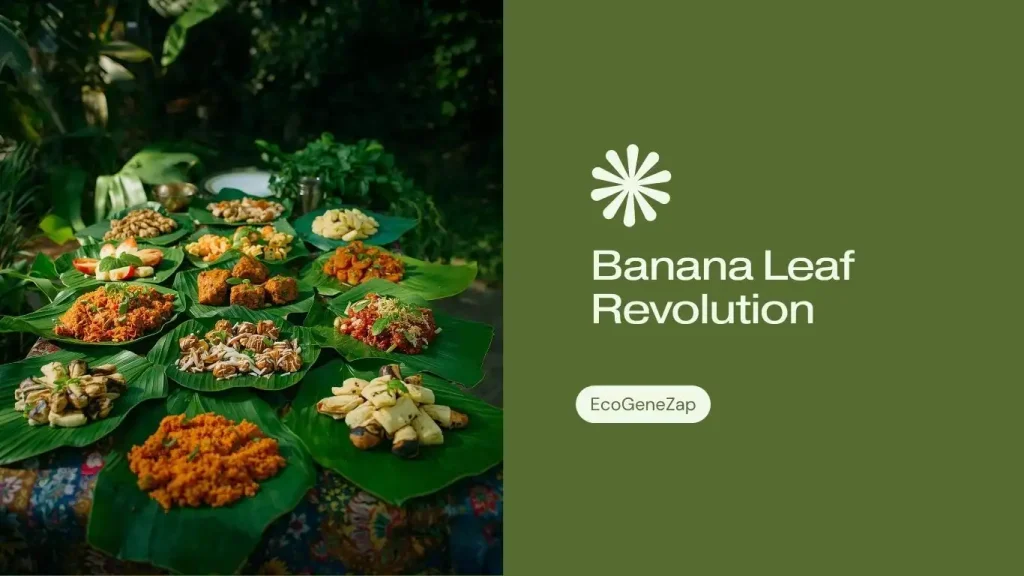
For centuries, the broad, vibrant green banana leaf has been more than just a part of the flora in tropical regions; it has been an integral piece of cultural and culinary heritage. From serving as a natural plate for festive feasts in South India to its use in sacred rituals across Southeast Asia, the banana leaf is steeped in tradition.
But in our fast-paced, modern world dominated by plastic and convenience, this ancient practice is experiencing a remarkable renaissance. Today, the humble banana leaf and other parts of the banana tree are being rediscovered not just for their cultural significance, but as powerful symbols of sustainability, health, and innovative design. This isn’t just a nostalgic trend; it’s a conscious shift towards a greener future, rooted in timeless wisdom.
Why the Banana Leaf? The Timeless Benefits Re-examined
The renewed interest in banana leaves isn’t accidental. Modern science and a growing eco-conscious mindset are validating what ancient cultures knew intuitively.
1. The Ultimate Eco-Warrior
In an era grappling with plastic pollution, the banana leaf is a zero-waste hero. A single-use plastic plate can take hundreds of years to decompose, leaching microplastics into our soil and water. A used banana leaf, in contrast, is 100% biodegradable, breaking down into organic matter within a few weeks. It is a sustainable, renewable resource that requires no manufacturing, no chemicals, and leaves no trace behind.
2. A Hidden Trove of Health Benefits
Modern research has shed light on the health benefits of eating on a banana leaf. The leaf is rich in polyphenols like EGCG (also found in green tea), which are potent antioxidants. When hot food is served on the leaf, these compounds are believed to infuse into the meal. Furthermore, the leaf has natural antibacterial properties, making it a hygienic surface for food service.
3. Enhancing Gastronomic Experience
Food enthusiasts and top chefs are now celebrating the banana leaf for the unique flavour profile it imparts. Heating the leaf releases a subtle, earthy aroma that infuses the food, particularly grilled or steamed dishes, with a distinct, delicate flavour that cannot be replicated by any synthetic plate.
Modern Applications: From Fine Dining to Fashion
The modern use of banana products has expanded far beyond the traditional plate. Innovation is driving this ancient material into surprising new domains.
1. The Culinary World’s Green Star
- Fine Dining: Upscale restaurants worldwide are using banana leaves as elegant, natural platters for serving gourmet food. It adds an element of rustic charm and tells a story of sustainability that resonates with today’s diners.
- Food Packaging: The “Greta Thunberg effect” has spurred a demand for alternatives to plastic packaging. Banana leaves are now being used to wrap vegetables, fruits, and even as a natural lining for takeaway boxes in supermarkets and grocery delivery services across Asia and Europe.
- Ready-to-Cook Kits: Modern companies are offering DIY meal kits where ingredients are pre-portioned and delivered on a banana leaf, ready to be steamed or grilled, providing an authentic experience at home.
2. Sustainable Products Gaining Mainstream Traction
The entire banana tree is being utilized in a beautiful example of a circular economy. After the fruit is harvested, the stem, bark, and fibres are no longer considered waste.
- Banana Fiber Products: The sturdy fibre (or “bast”) from the banana tree’s stem is being transformed into a stunning array of products:
- Textiles and Fashion: Banana fibre is woven into soft, durable, and silky fabric used for clothing, scarves, and home linens. Brands promoting sustainable fashion are embracing this eco-friendly alternative to conventional cotton and synthetics.
- Biodegradable Plates and Cutlery: While the leaf itself is used as a plate, processed banana leaves are also being pressed and molded into durable, disposable plates and bowls that are commercially available online and in stores.
- Handicrafts and Paper: The fibre is used to create beautiful baskets, mats, notebooks, and greeting cards, providing livelihood opportunities while promoting eco-conscious consumerism.
3. Wellness and Beauty
The antioxidant and antibacterial properties of the banana leaf have caught the attention of the wellness industry. It is now a novel ingredient in some natural skincare products, and banana leaf wraps are being used in spa treatments for their soothing and detoxifying effects.
The Social Media Boost: #BananaLeaf
The visual appeal of a colourful meal served on a vibrant green leaf is inherently “Instagrammable.” Social media platforms are flooded with images and reels showcasing elaborate meals on banana leaves, DIY tutorials on how to create banana leaf plates, and hauls of banana fibre products. This digital visibility has been instrumental in popularizing this ancient tradition among millennials and Gen Z, making sustainability look stylish and desirable.
Challenges and The Path Forward
Despite its many benefits, the large-scale adoption of banana leaf products faces challenges. Logistics, such as sourcing, cleaning, and transporting perishable leaves, can be complex. There’s also a need for greater infrastructure to support the mass production of banana fibre goods to make them more accessible and affordable globally.
However, these challenges are being met with innovation. Entrepreneurs are developing better supply chains, and governments are starting to incentivize alternatives to single-use plastics. The future lies in investing in this “green gold” and creating a robust market for banana tree products.
Conclusion: An Ancient Answer to a Modern Problem
The banana leaf’s journey from ancient plates to modern sustainable solutions is a powerful testament to the enduring wisdom of traditional practices. It proves that the answers to some of our most pressing modern problems—like plastic pollution and environmental degradation—can be found not always in new technology, but sometimes in re-embracing the old ways.
As modern society continues to seek a balance between convenience and responsibility, the banana leaf stands as a beautiful, simple, and effective symbol of how we can honour our past while building a cleaner, healthier future. It is more than just a leaf; it is a lifestyle choice, a statement of intent, and a quiet revolution on a plate.