In an era defined by mounting global challenges — pandemic preparedness, food insecurity, biodiversity loss, and climate instability — the solutions we need are both sweeping in scope and precise in execution. Polymerase Chain Reaction, universally known as PCR, is one of the most powerful molecular tools ever devised by science. Since its invention in the 1980s, PCR has quietly transformed the way humanity detects disease, monitors ecosystems, safeguards food supplies, and decodes the living world.
Yet PCR is no longer just a laboratory curiosity or a medical diagnostic — it has evolved into a cornerstone technology for sustainability. Whether tracking endangered species through environmental DNA, detecting microbial contaminants in drinking water, or enabling precision agriculture that cuts chemical inputs, PCR technology is woven into the fabric of a more resilient, equitable, and sustainable future. This article explores every dimension of that contribution, written for students, researchers, policymakers, and anyone passionate about science-driven sustainability.
What Is PCR? The Science Behind the Tool
Definition and Historical Background
Polymerase Chain Reaction (PCR) is a molecular biology technique that amplifies a specific segment of DNA or RNA, generating millions — even billions — of copies from a vanishingly small initial sample. Conceived by Nobel Laureate Kary Mullis in 1983 and published in 1985, the technique was immediately recognized as revolutionary. Mullis received the Nobel Prize in Chemistry in 1993 for this discovery, a testament to how profoundly PCR reshaped the life sciences.
Before PCR, obtaining sufficient quantities of a DNA segment for analysis required weeks of painstaking cloning work. PCR compressed that timeline to hours, democratizing molecular biology and opening it to applications far beyond the research laboratory.
How PCR Works: The Three-Step Cycle
At its core, PCR is elegantly simple. A thermocycler machine cycles the reaction through three repeating temperature-controlled steps:
- Denaturation (~94–98°C): High heat breaks the hydrogen bonds between the two strands of the double-helix DNA, separating them into single strands that serve as templates.
- Annealing (~50–65°C): The temperature drops, allowing short synthetic DNA sequences called primers to bind specifically to the target region on each template strand.
- Extension (~72°C): A heat-stable DNA polymerase enzyme — typically Taq polymerase, derived from the thermophilic bacterium Thermus aquaticus — synthesizes a new complementary DNA strand from each template.
Each cycle doubles the target DNA, producing exponential amplification. After 30 to 40 cycles, a single molecule of DNA becomes over a billion copies — enough to detect, sequence, or analyze with precision.
Types of PCR Technology
The original technique has spawned a family of powerful variants, each tailored to specific sustainability and research needs:
- Quantitative PCR (qPCR): Also called real-time PCR, qPCR measures DNA amplification in real time using fluorescent dyes or probes, enabling precise quantification of pathogens, gene expression levels, or microbial populations.
- Reverse Transcription PCR (RT-PCR): By first converting RNA into complementary DNA (cDNA) using the enzyme reverse transcriptase, RT-PCR allows the detection and quantification of RNA viruses such as SARS-CoV-2 or plant RNA viruses.
- Digital PCR (dPCR): The newest frontier, digital PCR partitions a sample into thousands of individual micro-reactions and counts positive and negative signals to deliver absolute quantification — without the need for a standard curve.
PCR in Sustainable Healthcare
Early Disease Detection and Pandemic Response
One of the most profound contributions of PCR technology to sustainability lies in its capacity for early, accurate disease diagnosis. Early detection is not just a clinical win — it is an economic and ecological one. Treating a disease in its early stage requires fewer drugs, shorter hospitalizations, and less resource expenditure than managing advanced illness. PCR-based diagnostics reduce the burden on healthcare systems and, by extension, on the energy, water, and pharmaceutical supply chains that support those systems.
The COVID-19 pandemic brought PCR squarely into global consciousness. RT-PCR tests became the gold standard for detecting SARS-CoV-2, enabling contact tracing, outbreak management, and the collection of epidemiological data that guided policy decisions worldwide. Countries with robust PCR testing infrastructure were demonstrably better equipped to respond swiftly and reduce unnecessary lockdowns, illustrating how molecular diagnostics can protect both public health and economic sustainability.
Reducing Healthcare Waste Through Precision Medicine
The global healthcare sector generates an estimated 5.9 million tonnes of waste annually. A significant proportion of this waste stems from unnecessary treatments, misdiagnoses, and the use of broad-spectrum interventions when targeted ones would suffice. PCR enables precision medicine: diagnostics that identify exactly which pathogen, genetic mutation, or biomarker is present, allowing clinicians to prescribe the right treatment the first time.
In oncology, PCR-based liquid biopsies can detect circulating tumour DNA in a patient’s blood — enabling cancer detection at stages when intervention is most effective and least resource-intensive. This reduces the need for invasive surgical biopsies, shortens diagnostic timelines, and aligns with the sustainability principle of doing more with less.
Infectious Disease Surveillance
PCR in healthcare also supports the One Health framework — the recognition that human health, animal health, and environmental health are deeply interconnected. Surveillance programs using qPCR can monitor wastewater for viral RNA, providing early warning signals for community outbreaks of influenza, norovirus, or novel pathogens. This wastewater epidemiology approach, scaled globally, can redirect public health interventions before hospital systems are overwhelmed.
Role of PCR in Sustainable Agriculture
Detection of Plant Pathogens
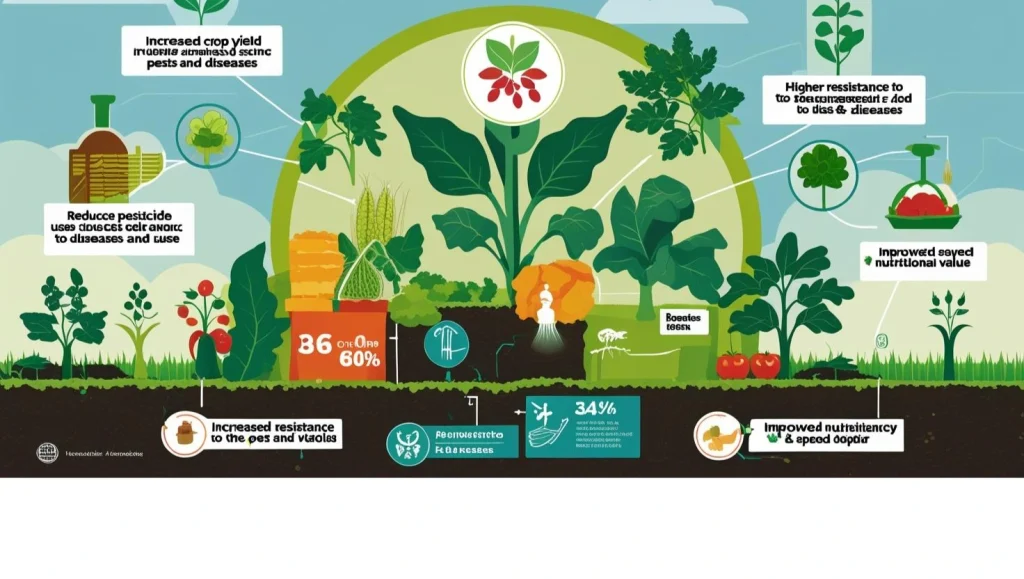
Agriculture feeds the world, yet it is also one of the most resource-intensive and ecologically disruptive human activities. PCR technology is transforming crop protection by enabling rapid, highly specific detection of plant pathogens — bacteria, fungi, viruses, and nematodes — before they cause visible crop damage or spread uncontrollably.
Traditional methods of pathogen identification rely on visual inspection and culture-based techniques that can take days or weeks. PCR-based diagnostics return results within hours, enabling farmers and agronomists to take targeted action. This precision reduces the unnecessary prophylactic application of pesticides and fungicides, cutting chemical inputs, protecting soil microbiomes, and reducing agricultural runoff that contaminates waterways.
GMO Identification and Biosafety
As genetically modified organisms (GMOs) have become increasingly prevalent in global food systems, the need for accurate GMO detection has grown correspondingly. PCR — particularly qPCR and digital PCR — is the international standard for identifying and quantifying GMO content in seeds, food products, and agricultural commodities. Regulatory agencies in the European Union, the United States, Japan, and dozens of other nations rely on PCR-based assays to enforce labelling laws and biosafety regulations, ensuring that GMO cultivation and trade occurs within transparent, accountable frameworks.
Improving Crop Yield with Minimal Chemical Inputs
Beyond pathogen detection, PCR supports marker-assisted selection (MAS) in plant breeding — a process in which molecular markers linked to desirable traits (disease resistance, drought tolerance, nitrogen use efficiency) are identified and selected for in breeding programs. This accelerates the development of crop varieties adapted to a warming, resource-constrained world, without the years of field trials that conventional breeding demands.
PCR in Environmental Sustainability
Environmental DNA (eDNA) Monitoring
One of the most exciting frontiers in applied ecology is the use of environmental DNA, or eDNA — genetic material shed by organisms into their surrounding environment through skin cells, mucus, faeces, and gametes. By collecting water, soil, or air samples and applying PCR amplification to the DNA within, scientists can detect the presence of organisms without ever seeing, trapping, or disturbing them.
This non-invasive approach is transforming biodiversity monitoring. A single water sample from a river or lake can reveal the presence of dozens of fish species, invasive plants, or disease-carrying amphibians — providing ecological data at a resolution, speed, and cost that traditional survey methods cannot match. Conservation agencies are now routinely deploying eDNA-based PCR surveillance for endangered species such as the great crested newt in the UK, the Asian giant softshell turtle, and a growing list of aquatic mammals.
Biodiversity Conservation and Endangered Species Tracking
PCR-based genetic analysis has become indispensable in conservation genetics — the science of using molecular tools to inform wildlife management. Population genetic studies using PCR enable conservationists to assess genetic diversity within endangered populations, identify migration corridors, detect inbreeding, and plan managed breeding programs. For species like the Amur leopard (fewer than 100 individuals remain in the wild), PCR-based kinship analysis can be the difference between a viable conservation program and genetic collapse.
Detection of Pollutants and Microbial Contamination
PCR technology is also applied in environmental remediation and pollution monitoring. Microbial communities in contaminated soils or sediments can be profiled using PCR-based metagenomics, revealing which organisms are present and which genes — including those encoding degradative enzymes for pollutants like petroleum hydrocarbons, heavy metals, or chlorinated solvents — are active. This knowledge guides bioremediation strategies, optimizing the deployment of pollution-degrading microbes in a targeted, evidence-based manner.
In drinking water safety, PCR assays for waterborne pathogens such as Cryptosporidium, Giardia, Legionella, and E. coli provide results orders of magnitude faster than culture-based methods, allowing utilities to protect public health with greater speed and confidence.
PCR and Climate Change Research
Studying Microbial Responses to Climate Change
The majority of Earth’s biodiversity exists at the microbial scale — bacteria, archaea, fungi, and viruses that drive the biogeochemical cycles sustaining all life on Earth. Understanding how microbial communities respond to changing temperatures, altered precipitation patterns, and shifting pH levels is essential to predicting the trajectory of the climate system itself. PCR — particularly quantitative PCR and PCR-based metagenomic sequencing — is the primary tool for this work.
Researchers have used qPCR to quantify shifts in microbial diversity in Arctic permafrost as it thaws, in coral reefs as ocean temperatures rise, and in agricultural soils under different warming scenarios. These studies reveal early warning signals of ecosystem change that no remote sensing technology can provide.
Monitoring Carbon-Cycling Microbes
The global carbon cycle — the movement of carbon through the atmosphere, biosphere, oceans, and lithosphere — is fundamentally mediated by microorganisms. Methanogenic archaea produce methane in wetlands, rice paddies, and the guts of ruminants; methanotrophic bacteria consume that methane before it reaches the atmosphere. The balance between these communities determines whether an ecosystem is a carbon source or a carbon sink. PCR-based functional gene analysis, targeting genes such as mcrA (methane production) and pmoA (methane oxidation), allows researchers to monitor these microbial processes with extraordinary precision.
Ecosystem Health Assessment
Climate change is altering ecosystem composition and function in ways that are often cryptic at first — invisible to the naked eye but detectable at the molecular level. PCR-based biodiversity indices derived from eDNA or soil metabarcoding are increasingly being adopted by environmental agencies as indicators of ecosystem health, complementing traditional ecological assessments and providing the granular data needed to guide habitat restoration and climate adaptation strategies.
PCR in Food Safety and Waste Reduction
The United Nations Food and Agriculture Organization estimates that approximately one-third of all food produced globally — roughly 1.3 billion tonnes — is lost or wasted every year. Foodborne illness and microbial spoilage are major contributors to this waste, and PCR technology offers powerful tools for addressing both.
Rapid Detection of Foodborne Pathogens
PCR assays can detect foodborne pathogens — Salmonella, Listeria monocytogenes, Campylobacter, and E. coli O157:H7 among others — in food products within a matter of hours, compared to the one to four days required by traditional culture methods. This speed translates directly into reduced food waste: a contaminated batch identified rapidly can be quarantined before it reaches distribution networks, limiting both public health risk and the volumes of uncontaminated food that must be discarded as a precaution during broad recalls.
Preventing Food Spoilage and Supply Chain Losses
Beyond pathogen detection, PCR-based species identification assays are used throughout the global food supply chain to verify product authenticity. High-profile food fraud cases — the European horsemeat scandal of 2013, the adulteration of seafood products, the mislabelling of olive oil — have driven regulatory demand for reliable molecular authentication. PCR-based DNA barcoding of food products closes supply chain loopholes, reduces fraud-related waste, and builds consumer trust.
Challenges and Ethical Considerations
Energy Consumption and Laboratory Waste
It would be intellectually dishonest to celebrate PCR sustainability without acknowledging the technology’s own environmental footprint. Standard thermocyclers consume significant electricity through their repeated heating and cooling cycles. Single-use plastics — PCR tubes, tips, plates, and packaging — generate substantial laboratory waste, much of which is biohazardous and difficult to recycle. A 2021 analysis estimated that biomedical research globally generates roughly 5.5 million tonnes of plastic waste annually, with PCR consumables representing a meaningful fraction.
Accessibility and Global Equity
Despite four decades of development, PCR technology remains unevenly distributed across the globe. High-quality thermocyclers, validated reagents, trained personnel, and cold-chain logistics are well established in high-income nations but remain chronic bottlenecks in low- and middle-income countries (LMICs) — precisely the regions most vulnerable to infectious disease outbreaks, food insecurity, and environmental degradation. Equitable access to PCR diagnostics is not merely a technical challenge; it is a matter of global health justice and a prerequisite for sustainable development.
Data Integrity and Biosafety
PCR’s extraordinary sensitivity is both its greatest strength and a source of potential misuse. The technology’s ability to amplify vanishingly small DNA quantities makes contamination a persistent concern, requiring rigorous laboratory protocols and quality controls. In the context of eDNA surveillance or forensic applications, questions of data ownership, sample provenance, and potential genetic privacy also demand thoughtful governance frameworks.
Future Innovations: Green and Sustainable PCR
Low-Energy and Isothermal Amplification Technologies
The next generation of PCR-based tools is being designed with sustainability explicitly in mind. Isothermal amplification techniques — LAMP (Loop-mediated Isothermal Amplification), NASBA (Nucleic Acid Sequence-Based Amplification), and RPA (Recombinase Polymerase Amplification) — perform DNA or RNA amplification at a single, fixed temperature, eliminating the energy-intensive cycling that characterizes conventional PCR. These techniques can operate using simple heating blocks, solar-powered devices, or even body heat in some prototypes.
Microfluidics and Portable PCR Devices
Microfluidic lab-on-a-chip platforms are miniaturizing the PCR workflow, integrating sample preparation, amplification, and detection into devices the size of a credit card. These point-of-care instruments dramatically reduce reagent volumes (and therefore both cost and waste), enable testing at the site of need — a remote clinic, a field station, a border crossing — and eliminate the cold-chain dependencies that have long restricted PCR deployment in resource-limited settings. The SHERLOCK and DETECTR platforms, which combine CRISPR-based detection with nucleic acid amplification, represent the leading edge of this convergence.
AI-Integrated Diagnostics and Data Analytics
Artificial intelligence and machine learning are being integrated into PCR workflows to enhance interpretation, reduce error rates, and extract maximum insight from amplification data. AI-driven analysis of qPCR curves can detect subtle patterns — distinguishing closely related pathogen strains, predicting antimicrobial resistance profiles, or identifying novel variants — with a speed and accuracy that surpasses manual review. When deployed at scale within population surveillance programs, AI-augmented PCR represents a quantum leap in our capacity for early warning and rapid response.
Conclusion: Molecular Biology in Service of Sustainability
The Polymerase Chain Reaction began as a tool to study genes. It has become something far greater: a molecular lens through which humanity monitors, protects, and restores the living systems upon which all sustainability depends. From detecting a respiratory virus in a hospital ward in Nairobi to tracking a rare salamander in an Appalachian stream, from authenticating olive oil in a European supermarket to mapping carbon-cycling bacteria beneath Arctic permafrost — PCR is there, working at the intersection of science and survival.
The challenges ahead are real. Energy consumption must fall, plastic waste must be reduced, and access must be democratized. But the innovations emerging from microfluidics, isothermal chemistry, and AI integration suggest a future in which PCR-based diagnostics are faster, cheaper, greener, and more globally available than ever before.
The United Nations Sustainable Development Goals — particularly SDG 3 (Good Health and Well-Being), SDG 2 (Zero Hunger), SDG 14 and 15 (Life Below Water and on Land), and SDG 13 (Climate Action) — call for science-based approaches to the most complex challenges of our time. PCR technology, constantly refined and reimagined, stands ready to answer that call. In the language of molecular biology, every base matters. In the language of sustainability, every action counts. Together, they speak a common truth: the future is built, one precise measurement at a time.
Scientific Context & References
This article draws on foundational research including Mullis et al. (1986) in Nature; IPCC Assessment Reports on climate-microbiome interactions; FAO Food Loss and Waste statistics; WHO guidance on PCR diagnostics in communicable disease control; and peer-reviewed studies in journals including Nature Methods, Environmental Science & Technology, Food Control, and Conservation Genetics. References are available on request.